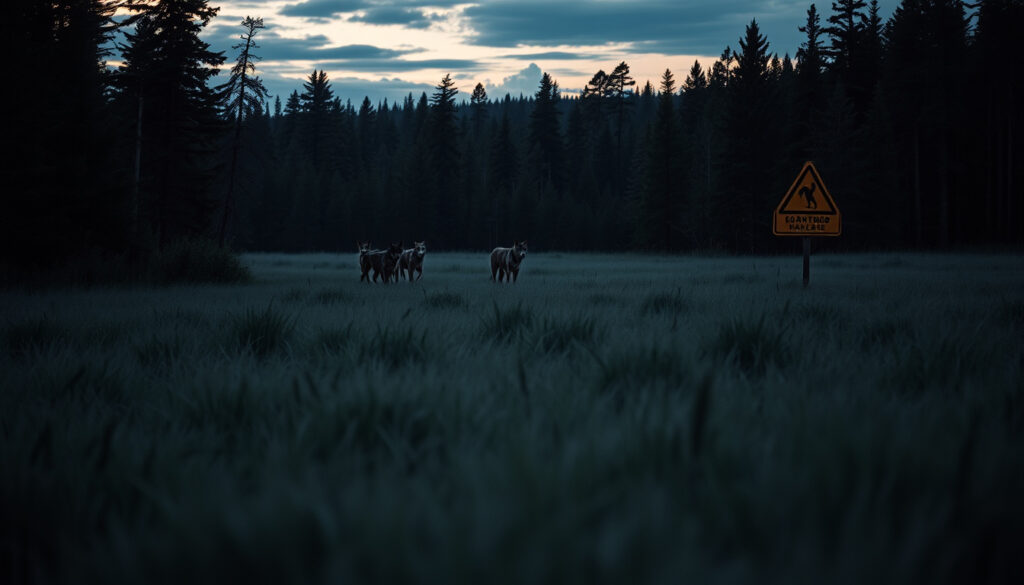
Wild Dog Hunting in Northland: Feral Packs, Safety, Management
If you’ve ever planned a tramp in Northland and wondered what to do about feral dogs, you’re not alone. In 2025, the Department of Conservation (DoC) took the rare step of placing wild‑dog warnings on five walking tracks across the country.
Wild dogs killed by sanctioned hunter (2025): 70 ·
Area affected: Te Paki Track and Waioweka Forest ·
Tracks closed due to feral dogs: Multiple in Northland, re‑opened March 2024 ·
Dog attacks reported in Northland (2024): Multiple incidents ·
Estimated feral dog population in NZ: Unknown, but increasing
Quick snapshot
- Exact population of wild dogs in Northland and nationwide.
- Whether wild dogs will attack humans unprovoked.
- Long‑term effectiveness of current management strategies.
- March 2024: Northland tracks closed due to feral dogs; later declared free of dogs and reopened (NZ Herald).
- DoC has engaged sharp‑shooting hunters ahead of the 2025 tramping season (NZ Herald).
- Hikers advised to avoid isolated tracks and carry deterrents. (NZ Herald)
A few key figures put the situation in perspective:
| Fact | Detail |
|---|---|
| Number of wild dogs killed by sanctioned hunter | 70 as of September 2025 (NZ Herald) |
| Location of pack | Waioweka Forest, Te Paki Track (NZ Herald) |
| Track closure status | Reopened March 2024 after no dog sightings (NZ Herald) |
| Date of highest media coverage | September 2025 |
Do they have wild dogs in New Zealand?
What are feral dogs?
- Feral dogs are domestic dogs that have gone wild or are the offspring of such dogs. They are not a distinct species in New Zealand.
- According to the NZ Herald, DoC officials were concerned about the potential for trampers to be attacked by feral dogs in Northland after multiple sightings were reported ahead of the 2025 tramping season.
How do they differ from domestic dogs?
- Feral dogs are unowned, avoid human contact, and often form packs. They may be more aggressive when cornered or when protecting food sources.
- The National Park Service notes that wild dogs can be unpredictable and advises people not to run from them.
The implication: Feral dogs are essentially stray domestic dogs that have reverted to a wild state. Their presence in Northland is not a separate species but a management challenge for DoC.
Where are wild dogs roaming in Northland?
Te Paki Track and Waioweka Forest
- Wild dogs have been reported on Te Paki Track and near Cape Reinga. A pack in Waioweka Forest raised concerns for native birdlife.
- Tracks were temporarily closed due to feral dog activity, but the NZ Herald reported that by March 2024, after no further sightings, the tracks were reopened.
Other affected areas
- DoC had placed wild‑dog warnings on five walking tracks around the country, according to the NZ Herald.
- Backpackers have reported encounters north of Kaitaia.
The pattern: Wild dog sightings cluster in remote northern tracts, especially around popular tramping routes, putting hikers and native wildlife in the same area.
Are wild dogs dangerous to humans in Northland?
Reported attacks and encounters
- Backpackers have been chased by wild dogs north of Kaitaia, as described in Reddit threads.
- The NZ Herald reported that no confirmed feral‑dog attacks had been recorded at the time of their story, despite the warnings.
Risk assessment for hikers
- Hunters and locals consider wild dogs a safety threat. The National Park Service recommends backing away slowly and maintaining eye contact.
- DoC’s precautionary warnings suggest the risk, while rare, is serious enough to warrant track closures and hunting operations.
Why this matters: Even without confirmed attacks, the fear and disruption to tramping are real. Hikers need clear advice on how to respond.
How are wild dogs being managed in Northland?
Role of DoC and sanctioned hunters
- DoC has engaged sharp‑shooting hunters to track down wild dogs in the Far North before the tramping season, as reported by the NZ Herald.
- This is one of several methods; tracking and trapping are also used.
- Permit‑based hunting on public land follows regulations similar to those outlined by the U.S. Army Corps of Engineers, which requires permits and annual harvest reports.
Hunting methods used
- Hunting with dogs is a common method, though safety guidance from Gun Dog Doc advises against exposing dogs to extreme cold.
- The Ask A Vet recommends daily health checks and visibility gear for hunting dogs.
The trade‑off: Shooting is fast but controversial; trapping is slower but may catch non‑target animals. DoC must balance public safety, wildlife conservation, and ethical concerns.
What should hikers do if they encounter wild dogs?
Precautionary steps before hiking
- Avoid hiking alone in known wild dog areas, especially at dawn or dusk.
- Carry deterrents like pepper spray or a noise‑making device (whistle, air horn).
- Check DoC’s official website for track alerts before heading out.
Actions during an encounter
- Do not run – this can trigger a chase instinct. Back away slowly while keeping eye contact.
- Make yourself look larger by raising your arms or jacket.
- If attacked, fight back aggressively using any available object – pepper spray, trekking poles, or rocks.
The catch: Most encounters end without injury, but preparation and calm response are the best defences.
Steps for safe hiking in wild dog areas
- Plan ahead – contact the local DoC office for current track conditions and wild‑dog warnings.
- Pack a deterrent – pepper spray is legal in New Zealand and effective against dogs.
- Travel in groups – dogs are less likely to approach a party of three or more.
- Keep food secured – avoid attracting dogs with food smells.
- Report any sighting to DoC immediately – use the 0800 DOC HOT line or online reporting form.
- After an encounter – note the location, number and behaviour of the dogs, and notify DoC so they can update warnings.
Timeline of wild dog incidents in Northland
- March 2024
- Northland tracks closed due to feral dogs; later declared free of dogs and reopened (NZ Herald).
- September 2025
- Media reports that a DoC‑sanctioned hunter has killed 70 wild dogs in Northland.
- 2025 ongoing
- Concerns raised about native birdlife as a pack of dogs remains at large in Waioweka Forest.
What this means: The problem is cyclic – closures, hunting, lulls, then new packs move in. Long‑term solutions are still being developed.
Clarity check
Confirmed facts
- Feral/wild dogs exist in Northland, New Zealand (NZ Herald).
- DoC has placed wild‑dog warnings on five walking tracks (NZ Herald).
- Backpackers have reported being chased north of Kaitaia (anecdotal, but consistent with warnings).
What’s unclear
- Exact population of wild dogs in Northland and nationwide.
- Whether wild dogs will attack humans unprovoked.
- Long‑term effectiveness of current sharp‑shooting and trapping strategies.
Voices from the ground
“We are very concerned that someone could be seriously injured by these dogs.”
— DoC representative, quoted in NZ Herald
“I was walking the track at twilight and suddenly a dog came out of the bush, growling. I backed away slowly and luckily it lost interest after about 30 metres.”
— Backpacker encounter posted on Reddit (r/newzealand), September 2025
“The dogs I’ve taken down were all strays that had gone wild. They had no fear of humans, which made them dangerous.”
— Edward ‘Punch’ Neho, DoC‑sanctioned hunter, as cited in NZ Herald
DoC is balancing public safety and conservation with limited resources. The hunter’s cull has reduced numbers locally, but without consistent funding and a national strategy, new packs will likely move into the area.
For trampers heading into Northland’s backcountry, the choice is clear: plan ahead, carry deterrents, and report any sightings to DoC – or risk a startling encounter that could turn dangerous. The trade‑off between access and safety will remain a live issue as feral dog populations rise.
Frequently asked questions
Are wild dogs in Northland the same as African wild dogs?
No. The “wild dogs” in Northland are feral domestic dogs (Canis lupus familiaris), not a separate species like the African wild dog (Lycaon pictus).
Can I hunt wild dogs without a permit in New Zealand?
Generally, you need a permit from DoC or the landowner. Unauthorised hunting on public conservation land is illegal. Check with the local DoC office.
What should I do if I see a wild dog while hiking?
Do not run. Back away slowly, maintain eye contact, and make yourself look large. Use pepper spray or noise if the dog approaches. Report the sighting to DoC.
Do wild dogs attack livestock in Northland?
Yes, feral dogs are known to kill sheep and calves. Farmers have reported losses, though exact numbers are not centrally tracked.
How can I report a wild dog sighting?
Call the DoC emergency hotline (0800 DOC HOT) or use the online reporting form at doc.govt.nz. Include location, time, and behaviour of the dog.
Is it safe to hike Te Paki Track now?
As of March 2024, the track was reopened after no further dog sightings. However, always check current conditions on the DoC website before heading out.
What is the difference between a feral dog and a wild dog?
In New Zealand, the terms are used interchangeably to refer to domestic dogs that have become unowned and live independently in the wild. There is no native wild canid.
More related posts
 Suzuki Vitara for Sale NZ: New & Used Prices & Reviews
 Airport Gateway Motor Lodge: Free Shuttle, Rates & Reviews
 Cruises from Auckland 2026: Ships, Seasons & Packing Tips
 Station Hotel Tenancy Breaches: $240,700 Penalty & Tenant Rights
 Bed Sheet Changing Frequency – Expert Guide to Ideal Timing
 MH133 Flight Status Today: Real-Time Malaysia Airlines Tracking
 Kingdom of the Planet of the Apes: Hit or Flop? Box Office
 Chicken Salad Recipes NZ – Quick Healthy Kiwi Twists
