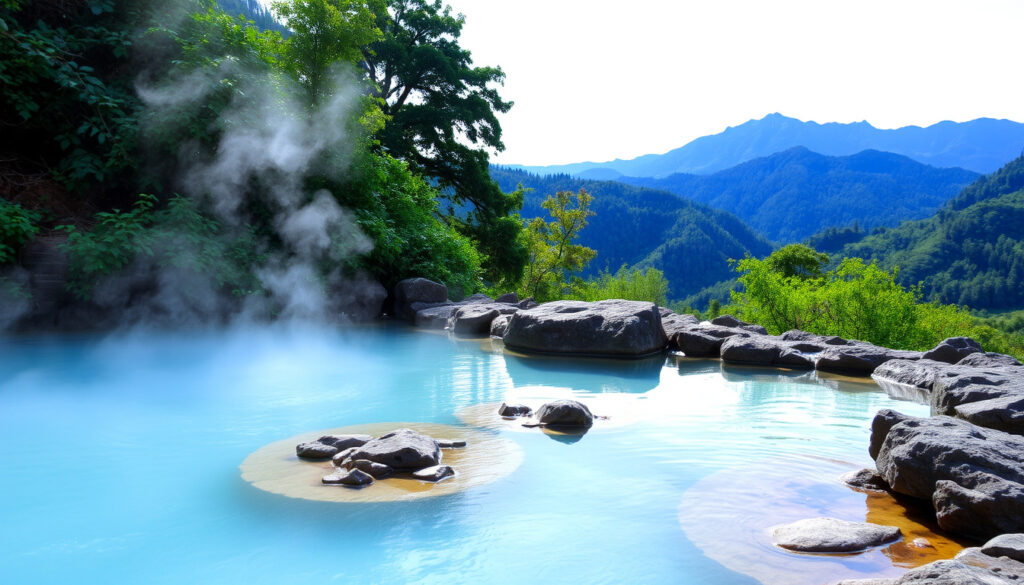
Hanmer Springs Thermal Pools: Prices, Safety & Tips
Hanmer Springs Thermal Pools balance family-friendly splash zones with genuine geothermal relaxation, but the experience comes with trade-offs that make timing and planning essential. With 22 outdoor pools ranging from 28°C to 48°C, plus an aqua park and spa, it’s worth sorting out the details before you go.
Number of thermal pools: 22 ·
Temperature range: 28°C to 48°C ·
Location: Hanmer Springs, Canterbury, New Zealand ·
Open daily: 10am to 6pm ·
Special features: Aqua park, spa treatments, ice skating
Quick snapshot
- Water is naturally heated by geothermal activity (Hanmer Springs Thermal Pools & Spa – Official site)
- 22 outdoor thermal pools (Hanmer Springs pricing page)
- Head must stay above water (HealthEd – New Zealand Ministry of Health)
- Exact 2025 day-of-visit prices (check official pricing page)
- Whether group discounts always apply (Hanmer Springs group bookings)
- Current daily weather conditions (official pricing page)
- Open daily 10am–6pm (hours may vary on public holidays) (Hanmer Springs official site)
- Summer peak season (Dec–Feb) brings biggest crowds (Hanmer Springs official site)
- Matariki weekend specials usually announced in June (Hanmer Springs events)
- Book online saver passes before your visit for best rate (online saver pricing)
- Consider a multi-day pass if staying overnight (Hanmer Springs pricing)
Below is a summary of the essential details.
| Number of pools | 22 |
|---|---|
| Temperature range | 28°C – 48°C |
| Location | Hanmer Springs, Canterbury, New Zealand |
| Opening hours | 10 am – 6 pm daily |
| Facilities | Thermal pools, aqua park, spa, ice skating |
Is it worth going to Hanmer Springs?
The short answer: it depends on what you value. For a family day out with warm water and slides, the pools deliver. For someone seeking a quiet soak, midweek visits avoid the noise. The pricing structure — saver, flexi, group — lets you choose how much flexibility you want.
What are the main attractions of Hanmer Springs?
- 22 geothermally heated pools at various temperatures
- Aqua park with hydroslides and a kids’ pool
- Spa offering massage, facials, and private baths (Hanmer Springs Thermal Pools & Spa official site)
- Ice skating rink (seasonal) and nearby walking trails
What do recent reviews say?
TripAdvisor reviews consistently mention the clean facilities, friendly staff, and the contrast between the hot pools and the cool air. Some note that the aqua park area can get busy on weekends.
How does it compare to other thermal pools in New Zealand?
Compared to Rotorua’s Polynesian Spa, Hanmer feels more like a family recreation centre than a serene thermal retreat. It’s less commercial than Wairakei Terraces but offers more active options. The trade-off is that you can’t fully submerge your head — a rule we’ll come back to. For those considering a tropical alternative, see our Shangri-La Yanuca Island Fiji: Honest Resort Guide.
A typical family of four could spend NZ$126 on saver passes — not cheap, but you get a full day of varied pools and slides. Add towel hire and lunch, and the day still costs less than a single spa treatment elsewhere.
The pattern: visitors who plan ahead can save money and avoid crowds.
Are the pools in Hanmer Springs heated geothermal?
Yes, the water is heated entirely by natural geothermal activity beneath the town. The source is the same thermal aquifer that feeds several local springs, but the pools are managed to keep temperatures comfortable and safe.
How does geothermal heating work?
The water rises from deep underground, passing through hot rock before being piped into the pools. It’s then blended with cooler water to reach the desired temperature. The official site states the pools are “naturally heated by geothermal energy” (Hanmer Springs Thermal Pools & Spa), meaning no artificial heating is needed.
What is the source of the water?
The water comes from the Hanmer Springs geothermal field, part of the Waiau Rift system. It’s mineral-rich, containing silica, calcium, and magnesium — common in New Zealand’s thermal waters (HealthEd – Ministry of Health guidance on natural waters).
The implication: the “geothermal” label isn’t marketing — it’s the real heating mechanism, and the mineral content is a genuine difference from a heated swimming pool.
Why can’t you put your head under water in a geothermal pool?
This rule surprises many first-timers. The reason is health safety, specifically the risk of Naegleria fowleri, a microscopic amoeba that can cause amoebic meningitis if it enters the nose.
What are the health risks?
HealthEd, the New Zealand Ministry of Health’s health education arm, explicitly advises that you should “keep your head above water in geothermal pools” to avoid the risk of infection (HealthEd – Naegleria fowleri warning). The amoeba thrives in warm, unchlorinated water — exactly the conditions of a natural geothermal pool.
What is Naegleria fowleri?
Naegleria fowleri is a single-celled organism that lives in soils and warm fresh water. It can enter through the nose and travel to the brain. While rare, the infection is almost always fatal. That’s why Hanmer Springs and other thermal pools in New Zealand enforce the rule.
What are the official health guidelines?
The guidelines are simple: stay above the shoulders. Children should be watched closely to ensure they don’t submerge their heads. The same warning applies to many geothermal pools in New Zealand, including those in Rotorua and Taupō.
“Keep your head above water in geothermal pools to avoid the risk of amoebic meningitis.”
— HealthEd, New Zealand Ministry of Health
The catch: you lose the full-body immersion experience, but the trade-off is a dramatically lower health risk. For most visitors, the pools are still plenty warm enough to relax without going under.
How many hot pools are at Hanmer Springs?
There are 22 outdoor thermal pools on site, each with different temperatures and features. The official site lists them without going into deep detail (Hanmer Springs Thermal Pools & Spa), but the main groupings are clear.
Four main types, one pattern: temperatures vary from 28°C to 48°C, and each pool serves a different purpose.
| Pool type | Temperature range | Features |
|---|---|---|
| Main thermal pools | 28–42°C | Gradual steps, flat entry, seats underwater |
| Sulphur pool | ~40°C | Higher mineral content, distinct smell |
| Rock pool | ~38°C | Natural stone surround |
| Private baths | 38–42°C | Enclosed, bookable by the hour |
| Aqua park pools | ~28°C | Hydroslides, splash zone, kids’ area |
What types of pools are there?
- Relaxation pools – warm, calm water for soaking
- Sulphur pool – higher mineral content, known for its odour
- Rock pool – designed to look natural
- Private baths – for individuals or couples wanting privacy
- Aqua park – active fun with slides and fountains
What are the temperatures of each pool?
Exact temperatures per pool are not published on the official site, but the overall range is 28°C (cooler aqua park) to 48°C (one of the hotter geothermal pools). The warmest pools are typically the sulphur and rock pools.
Are there private baths?
Yes, private thermal baths can be booked separately. They offer a more intimate experience with your own pool and changing area. Prices start around NZ$50–60 per hour per couple, though exact rates should be confirmed on the bookings page.
What is the best time to visit Hanmer Springs?
Timing matters — hot pools feel very different in summer vs. winter. The official hours are 10am–6pm daily, but season affects crowds and comfort. If you’re planning a winter visit, check the Pure Tūroa Snow Report: Live Conditions for snow conditions.
What is the weather like in different seasons?
- Summer (Dec–Feb): Warm days, pool water feels less refreshing, busy with families. Best for aqua park enjoyment.
- Autumn (Mar–May): Mild days, cooler evenings, quieter midweek. Ideal for soak without heat stress.
- Winter (Jun–Aug): Cold air, hot pools steam, very quiet on weekdays. Snow on surrounding hills adds atmosphere.
- Spring (Sep–Nov): Unpredictable weather, but fewer crowds and lower prices.
When are the crowds smallest?
Weekday afternoons during term time, especially in winter. Check the official site for any special event dates that might draw larger crowds, such as Matariki weekend.
Are there any special events?
Matariki (Māori New Year) in June/July often features extended hours and family activities. The ice skating rink opens in winter. No other major annual events are confirmed, but the management occasionally runs health and wellness weekends.
Upsides
- Real geothermal heating — not artificially heated
- Wide temperature choice (28–48°C)
- Family-friendly with dedicated kids’ area
- Spa treatments and private baths available
- On-site ice skating in winter
Downsides
- Cannot submerge head — health rule limits full swimming
- Extras (lockers, towel hire, swimwear) add up
- Can be crowded on weekends and holidays
- Prices are moderate for NZ; not a budget option
- No evening opening (closes at 6pm daily)
The pattern: the best experience depends on matching your priorities to the season and crowd calendar.
tripadvisor.com, tripadvisor.co.nz, tripadvisor.com, newzealand.com, tripadvisor.com, hanmersprings.co.nz, klook.com, hanmersprings.co.nz
Frequently asked questions
Can you swim in Hanmer Springs pools?
You can paddle, float, and relax, but you cannot put your head underwater due to the risk of Naegleria fowleri. Swimming strokes that require submersion are not advised.
Is alcohol allowed?
Alcohol is not permitted in the pool areas. The site has a café, but you cannot bring your own drinks.
Are there vegetarian food options?
The on-site café offers vegetarian, vegan, and gluten-free options. You can also bring your own picnic and eat in designated areas.
How to get to Hanmer Springs?
Hanmer Springs is about 1.5 hours’ drive north of Christchurch on State Highway 7. A shuttle runs from Hanmer Springs township, but most visitors drive. Free parking is available on site.
Can you book online?
Yes, tickets and spa treatments can be booked on the official booking portal. Online saver passes must be purchased before the day of visit.
What is the cancellation policy?
Flexi passes are refundable within 12 months. Online saver passes are date-specific; check the terms at the time of booking as they are generally non-refundable.
Is there accommodation nearby?
The Hanmer Springs township has hotels, motels, holiday parks, and Airbnbs. Many offer combo deals with thermal pool entry. Book ahead in summer.
“The water is naturally heated by geothermal energy, providing a unique thermal experience you won’t find in a regular swimming pool.”
— Hanmer Springs Thermal Pools & Spa
For anyone planning a visit, the choice is clear: if you want a genuine geothermal soak with family-friendly extras, Hanmer Springs delivers. Book the online saver pass, bring your own towel, and arrive early on a weekday for the most relaxing experience. For those seeking complete silence and head submersion, a private bath with a handheld scoop is the workaround — but the rule remains: head above water.
More related posts
 Jelly Roll Wild Ones – Release Charts and Lyrics Guide
 Air New Zealand Customer Service: Phone & Live Chat
 Phivolcs Aftershocks Cebu Earthquake – Latest Updates and Key Facts
 iPhone 17 Case NZ: Best Prices & Where to Buy in New Zealand
 Government First Home Grant Ireland: HTB & FHS Guide
 Enduring Power of Attorney in Ireland: Costs, New Rules & Guide
 Airport Gateway Motor Lodge: Free Shuttle, Rates & Reviews
 Tallest Building in the World 2026: Verified Ranking
