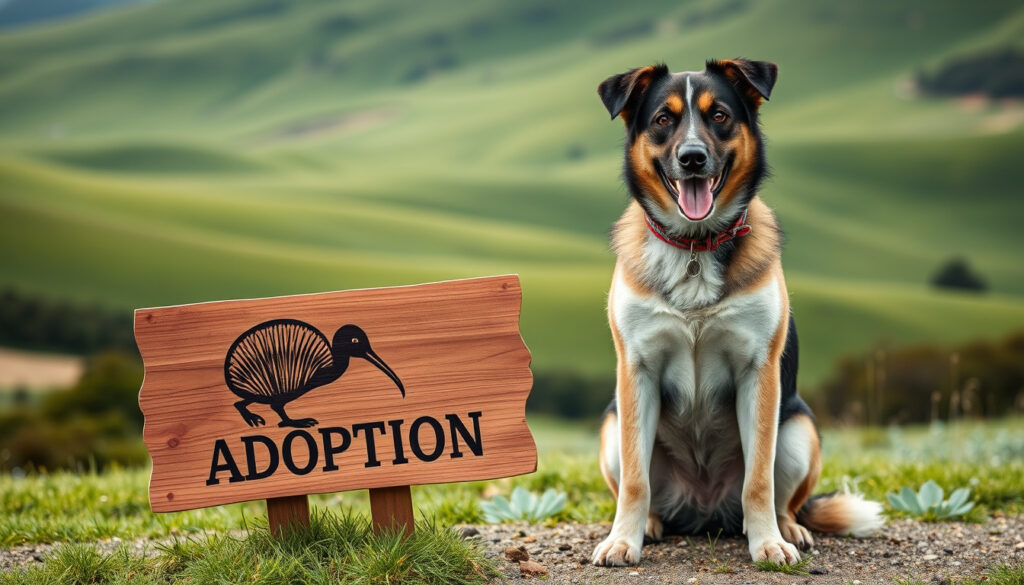
Trade Me Dogs to Adopt: How to Find and Adopt a Dog in NZ
Deciding to bring a dog into your home is exciting, but the process of finding the right one can feel overwhelming. For New Zealanders, Trade Me has become the go-to spot for directly connecting with people rehoming dogs, offering a different path than traditional shelters; understanding the marketplace rules can save time and get you closer to a companion.
Average adoption fee in New Zealand: $150–$500 (SPCA and shelters) ·
Dogs listed on Trade Me: Thousands of active listings ·
Ping secure payment coverage: Available for all Trade Me transactions ·
New Zealand’s largest pet rehoming platform: Trade Me Marketplace
Quick snapshot
- Trade Me allows direct peer-to-peer dog rehoming (Trade Me Help (official policy platform))
- Listings must follow animal welfare guidelines (Trade Me Code of Animal Welfare (marketplace rules))
- Buyers and sellers can use Ping for secure payment (Trade Me (payment platform))
- Whether all dogs listed are vet-checked or vaccinated before listing
- The exact number of successful adoptions through Trade Me
- Whether the health check report is always provided to the new owner
- Puppies cannot be rehomed before 8 weeks old (Trade Me Code of Animal Welfare (marketplace rules))
- Microchip number required for dogs over 3 months (Trade Me Code of Animal Welfare (marketplace rules))
- Contact seller directly to arrange meeting
- Complete ownership transfer and get vet records
| Detail | Value |
|---|---|
| Top dog breeds for adoption in NZ | Labrador Retriever, Border Collie, Huntaway |
| Adoption fee range on Trade Me | Often $0–$200 (direct rehoming) |
| Animal welfare listing policy | All dogs must be listed under ‘Dogs to adopt’ |
Where to Get a Puppy and How to Adopt a Dog
Three factors shape your first move: finding available dogs, understanding Trade Me’s rules, and contacting owners. Here’s what each means in practice.
Finding puppies for adoption on Trade Me
Trade Me has a dedicated Trade Me Help (official policy platform) category called “Dogs to adopt” where all rehoming listings live. You can filter by breed, age, and location to narrow results. Sellers must include the dog’s date of birth for litters and, for dogs over three months old, disclose the microchip number.
Contacting sellers and arranging adoption
Each listing includes a “Ask a question” button that lets you message the seller directly. Before meeting, review the seller’s feedback rating and history. Trade Me recommends meeting in a public place or at the seller’s home to see the dog in its current environment.
Checking pet welfare policies
Sellers confirm compliance with Trade Me’s Code of Animal Welfare by ticking a box that covers vet checks, worming, de‑fleaing, and overall good health. According to the Trade Me Code of Animal Welfare (marketplace rules), a health check by a registered veterinarian must occur before listing, and the report should be provided to the new owner at release.
You get direct access to more dogs than shelters hold, but you trade the assurance of vet assessments and behavioral evaluations that rescue organizations typically provide.
Bottom line: Trade Me offers New Zealand’s largest selection of adoptable dogs, but buyers shoulder more responsibility for verifying the dog’s health history. Sellers must comply with welfare rules, but enforcement relies on the platform’s listing requirements rather than in-person inspections.
What is the easiest way to adopt a dog?
For most people, the simplest path involves three steps: search, connect, and complete. Trade Me removes intermediaries, making the process more direct than shelter adoptions.
Steps to adopt a dog via Trade Me
- Search on Trade Me in the “Dogs to adopt” category.
- Contact the seller directly using the “Ask a question” button.
- Arrange a meeting, agree on transfer terms, and complete the adoption.
Using filters to find your ideal dog
Trade Me’s search filters let you sort by breed, age (puppy, adult, senior), location, and price. You can also set up saved searches to get notified when new listings match your criteria. The Trade Me (marketplace platform) allows up to eight animals per litter and one litter per listing.
Setting up a meeting with the current owner
Arrange a time to meet the dog and its current owner. Bring a friend if possible, and ask about the dog’s temperament, daily routine, and any known health issues. If you decide to proceed, agree on the transfer terms — remember that Trade Me requires rehoming to be free for private sellers, unless they are an approved organisation.
Trade Me’s direct-contact model speeds up adoption but transfers the responsibility for vetting the dog from a shelter to you, the buyer.
The implication: you gain speed and selection but lose the safety net that professional assessments provide.
What age is best to get a dog?
Age matters more than most people realize because it directly affects training time, energy levels, and long-term commitment. Let’s break down the trade-offs.
Puppy vs adult dog considerations
Puppies require more training and time. They need housebreaking, socialization, and basic obedience work. Adult dogs often already trained and settled, which can make the transition smoother for first-time owners.
Senior dogs and their needs
Senior dogs may have health issues but are calm. They typically need less exercise than puppies or young adults, making them ideal for apartment dwellers or older owners. The New Zealand Police (law enforcement rehoming program) notes that adopters must be prepared to provide exercise, socialisation, daily care, and play for any dog they rehome.
Lifestyle matching
Your lifestyle should guide the age choice: active people often prefer young adults, while homebodies may suit seniors. The calmest breeds for less active homes include Greyhounds, Cavalier King Charles Spaniels, and senior Labrador Retrievers.
The table below compares key factors across age groups.
| Factor | Puppy (0-12 months) | Adult (1-7 years) | Senior (7+ years) |
|---|---|---|---|
| Training required | High — housebreaking, obedience | Moderate to low | Low |
| Energy level | Very high | Moderate | Low |
| Health risk | Low (vaccinations required) | Moderate | Higher (age-related issues) |
| Best for | Experienced owners with time | First-time owners | Calm households |
Puppies look adorable but demand the most time and patience. Adult and senior dogs offer predictability but may come with hidden health costs.
The pattern: matching age to your lifestyle reduces the risk of a mismatched adoption.
What is the 3-3-3 rule for dogs?
The 3-3-3 rule is a guideline for new dog owners. It helps manage expectations during the transition period. Understanding these phases reduces frustration and increases the chance of a successful adoption.
Understanding the 3-3-3 rule for rescue dogs
The rule breaks the first three months into three stages: decompression (first 3 days), settling in (3 weeks), and feeling at home (3 months). Each phase comes with different behaviors and needs.
First 3 days: decompression
During the first 3 days, the dog is likely overwhelmed and may hide, not eat much, or test boundaries. Keep things calm, provide a safe space, and avoid introducing too many people or new environments.
3 weeks: settling in
Around the 3-week mark, the dog begins to understand the routine. This is when personality starts to show, and training can begin in earnest. Consistency matters most here.
3 months: feeling at home
By 3 months, the dog typically feels secure and bonded. The New Zealand Police (law enforcement rehoming program) emphasises the need for a secure fenced area and daily care, both of which become natural parts of the household by this stage.
Many first-time adopters give up during the first week, not realizing the dog is in a normal adjustment phase. The 3-3-3 rule turns confusion into a predictable roadmap.
The implication: patience during the first three months is the single best predictor of long-term success.
Where is the best place to get a rescue dog?
Trade Me vs rescue organizations each come with distinct advantages. The best place depends on your needs and the dog’s history.
Trade Me vs rescue organizations
Trade Me offers direct rehoming without shelter fees. Rescue organizations provide vet checks and behavioral assessments. The key difference: Trade Me is peer-to-peer, while shelters use professional staff.
Benefits of adopting from a shelter
Shelters like the SPCA New Zealand (animal welfare charity) typically vet dogs, provide vaccination records, and assess temperament before listing. Adoption fees ($150-$500) cover these services. You get greater certainty about the dog’s health and behavior.
Benefits of adopting via Trade Me
Trade Me may offer lower fees (often $0-$200) and a wider selection. You can find breeds and ages that shelters may not have. The process is also faster — no application forms or home checks. But you must do your own due diligence on the dog’s background.
The table below summarises the trade-offs between the two options.
| Factor | Trade Me | Shelter/Rescue |
|---|---|---|
| Cost | $0–$200 (usually free for private) | $150–$500 |
| Vet checks | Not guaranteed (seller states compliance) | Guaranteed |
| Selection | Very large, varies daily | Limited to available dogs |
| Process speed | Days (direct contact) | 1-3 weeks (applications) |
| Behavioral assessment | Self-reported by owner | Professional assessment |
“Trade Me’s Code of Animal Welfare requires a health check by a registered veterinarian before an animal is listed, and the report should be provided to the new owner when the animal is released.”
Trade Me Code of Animal Welfare (marketplace rules)
“Anyone rehoming a police dog must be prepared to follow local council rules for dog ownership and provide a secure fenced area.”
New Zealand Police (law enforcement rehoming program)
Upsides
- Largest selection of adoptable dogs in NZ
- Lower or zero cost for private rehoming
- Direct contact with current owner
- Faster process than shelter adoption
Downsides
- No guaranteed vet checks or vaccinations
- No professional behavioral assessment
- Risk of misrepresentation by seller
- No return policy or post-adoption support
Related reading: Trade Me Cats for Sale: Buy, Adopt & Care Guide (NZ)
guidedogsofamerica.org, wisemove.co.nz, guidedogs.com, help.trademe.co.nz, bloxboom.com, trademe.co.nz, mpi.govt.nz, pilotdogs.org, spca.nz
For those looking to adopt abroad, learning how to adopt a dog in Ireland can provide a useful comparison for the adoption process and costs.
Frequently asked questions
Can I adopt a dog from Trade Me if I live outside New Zealand?
Trade Me requires buyers to have a New Zealand address for delivery and pickup. International adoption is not supported through the platform. Contact local rescue organizations in your country for alternatives.
What documents do I need to complete an adoption on Trade Me?
You don’t need formal documents to adopt, but you should request the dog’s veterinary records, microchip number, and vaccination history from the seller. Trade Me requires the microchip number for dogs over three months old.
How do I know if a Trade Me seller is legitimate?
Check the seller’s feedback rating and history on their profile. Look for positive reviews from previous buyers and a high number of completed transactions. Use Ping for payment to add security.
Are there any free adoptions available on Trade Me?
Yes, Trade Me requires cats and dogs to be rehomed for free except for approved organisations that may charge cost recovery fees. Many private listings are free.
What should I do if the adopted dog has health issues?
Take the dog to a veterinarian immediately. If the seller misrepresented the dog’s health, you may not have legal recourse because Trade Me does not guarantee listings. Always ask for vet records before adopting.
How long does it take to adopt a dog through Trade Me?
Adopting through Trade Me can take as little as a few days. Once you find a listing, message the seller, arrange a meeting, and complete the transfer. No application forms or waiting periods required.
Can I return a dog to the seller on Trade Me?
Trade Me does not have a return policy for animal adoptions. Rehoming decisions are final once ownership transfers. Make sure you are fully prepared before finalising the adoption.
The implication: being thorough before finalising reduces the risk of regret later.
For New Zealanders choosing between Trade Me and a shelter, the decision hinges on what matters more: the widest possible selection and low cost, or professional vetting and peace of mind. If you have the time to do your own due diligence, Trade Me opens doors to dogs that shelters simply don’t have. If you prefer certainty, the SPCA and rescue organisations offer a more structured path. Either way, the 3-3-3 rule and a secure fenced yard will serve you well.
More related posts
 The Best Chocolate Chip Cookie Recipe – Easy, Soft & Chewy
 Map of South Island New Zealand – Cities, Roads, Parks Guide
 Something & Social Broadway: Newmarket & Albany Guide, Deals
 View Instagram Stories Anonymously: Free Tools & Risks
 Lemon Meringue Pie Recipe: Mary Berry & Jamie Tips
 Marc Jacobs SUN RX 03: Category 3 UV Protection Explained
 How Many Days Until Christmas? Countdown and Sleep Tips
 1000 Free Games to Play: Online & Offline Guide
