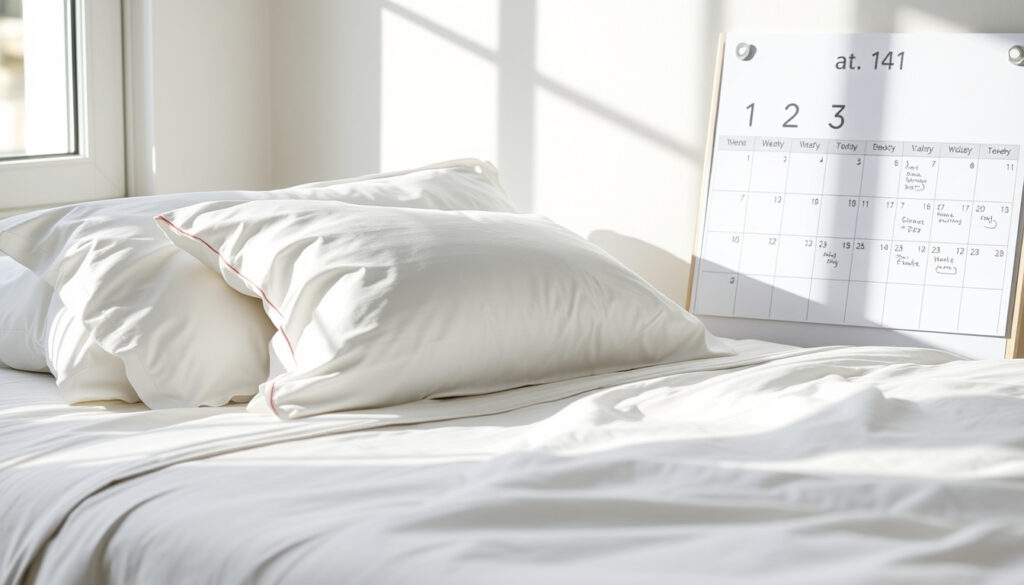
Bed Sheet Changing Frequency – Expert Guide to Ideal Timing
How Often Should You Change Bed Sheets? The Ultimate Frequency Guide
The question of how frequently bed sheets should be changed sits at the intersection of personal comfort, health considerations, and practical household management. Expert guidance converges on a general consensus, yet individual circumstances can significantly alter what constitutes an appropriate schedule.
Medical professionals and sleep researchers generally recommend washing bed sheets at least once per week to remove accumulated sweat, body oils, dead skin cells, and dust mites. However, the optimal frequency depends on multiple factors including sleeping habits, health conditions, climate, and whether pets share the bed. Understanding these variables helps establish a routine that balances hygiene with practical lifestyle constraints.
This guide examines expert recommendations, health implications of infrequent washing, and practical strategies for maintaining clean bedding across different circumstances.
How Often Should You Change Bed Sheets?
The National Sleep Foundation specifies once a week as the ideal frequency for removing sweat, body oils, dead skin cells, and dust mites from bedding. Dermatologists including Alok Vij from Cleveland Clinic advise at least every two weeks as a baseline, though weekly washing suits most people. Those sweating heavily, sharing beds with pets, sleeping naked, or recovering from illness may need to increase frequency to every three to four days.
Weekly washing
Every two weeks
Every 3-4 days
Biweekly if low sweat
Key insights emerge from examining expert guidance and research findings:
- The average person sheds approximately 500 million skin cells daily, with a significant portion depositing in bedding
- Dust mites thrive in warm, humid environments created by unwashed sheets
- Bacterial buildup on bedding can double within 24-48 hours of use
- Pillowcases accumulate facial oils and bacteria faster than bottom sheets
- Seasonal variations affect sweating and should influence washing frequency
- Pet owners face accelerated buildup of dander and body oils
- Hot and humid climates require more frequent washing year-round
| Factor | Recommended Frequency | Source Type |
|---|---|---|
| General/weekly baseline | Every 1 week | Medical organizations |
| Heavy sweating/pets/illness | Every 3-4 days | Dermatologists |
| Allergies/skin conditions | Every 5-7 days | Medical professionals |
| Alone + shower before bed | Every 10-14 days | Sleep hygiene experts |
| Hot/humid summer | Weekly or more | Climate-based guidance |
| Pillowcases | Every 3-7 days | Dermatologists |
What Happens If You Don’t Change Bed Sheets Regularly?
Unwashed bed sheets become repositories for biological materials that create increasingly hospitable environments for various microorganisms and pests. Over time, this accumulation poses documented risks to skin health, respiratory function, and sleep quality.
Skin Issues and Irritation
Bacterial and fungal growth on unwashed sheets can lead to skin irritation, rashes, eczema flare-ups, and acne breakouts. The warm, moist environment between skin and bedding provides ideal conditions for microorganisms to multiply. Dermatologists have documented cases where patients experienced persistent skin issues that resolved only after improving bedding hygiene.
Philip Tierno, a microbiologist at New York University, notes that unwashed sheets create breeding grounds for pathogens that affect both skin and respiratory health. His research indicates that significant microbial accumulation occurs within the first week of use.
Allergies and Respiratory Problems
Dust mites represent a primary concern for allergy and asthma sufferers. These microscopic creatures feed on dead skin cells and thrive in bedding that hasn’t been properly cleaned. Their droppings contain proteins that trigger allergic reactions, including itchiness, congestion, and breathing difficulties.
According to the Mayo Clinic, dust mite allergies can cause chronic symptoms that significantly impact quality of life. Regular washing with hot water helps eliminate dust mites and their allergens from bedding.
Disrupted Sleep Quality
Beyond health concerns, unclean bedding affects sleep itself. Strange odors, discomfort from accumulated moisture, and poor temperature regulation can all interfere with restful sleep. Research published by sleep hygiene experts indicates that environmental factors including bedding cleanliness influence sleep quality measurements.
Visible stains, strange odors, skin itchiness upon waking, breathing difficulties, or reduced comfort while in bed indicate sheets should be changed immediately regardless of schedule.
Factors Affecting Bed Sheet Changing Frequency
Individual circumstances significantly influence how often sheets require washing. Understanding these factors allows for personalized schedules that maintain appropriate hygiene without unnecessary laundry.
Sweating and Body Temperature
People who sweat heavily during sleep generate more moisture in their bedding, creating conditions that accelerate bacterial and fungal growth. Hot sleepers, those experiencing hormonal changes, and individuals in warm climates should wash sheets weekly or more frequently. Moisture that accumulates in bedding provides fuel for microorganism proliferation.
Pet Ownership
Sharing a bed with pets introduces additional biological materials including pet dander, fur, and extra body oils. Pet hair and dander can trigger allergic reactions and accelerate the accumulation of allergens in bedding. Those who sleep with pets should maintain a weekly washing minimum to manage these additional hygiene challenges.
Health Conditions
Individuals managing allergies, asthma, acne, eczema, or dermatitis benefit from more frequent sheet changes. Washing every three to seven days helps reduce exposure to allergens and bacteria that can exacerbate these conditions. Anyone recovering from illness should change sheets immediately and maintain more frequent washing during recovery.
Bed Sharing
Multiple people sharing a bed increase the total biological material deposited in sheets. Body oils, sweat, and skin cells accumulate from all sleepers, making more frequent washing necessary. The Cleveland Clinic recommends increasing frequency when beds are shared.
Seasonal Variations
Summer months and warm weather increase sweating and moisture in bedding. More frequent washing during hotter periods helps manage the additional humidity and biological accumulation. Winter may allow slightly extended intervals for those with minimal sweating, though regular washing remains important.
How Often Should You Wash Pillowcases and Related Bedding?
Pillowcases require attention separate from sheets due to their direct contact with facial skin. The Cleveland Clinic recommends washing pillowcases weekly or every three to four days, as they collect facial oils and bacteria faster than bottom sheets. This is particularly important for those who use facial products, moisturizers, or sleep with makeup on.
Comforters and Blankets
While comforters and blankets don’t contact skin directly as sheets do, they still accumulate dust and allergens over time. Experts recommend washing comforters every few months, with some guidance suggesting intervals up to six months depending on use and material. Those with allergies may benefit from more frequent cleaning.
Mattress Toppers
Mattress toppers should be vacuumed regularly and steamed every six months to maintain hygiene. Unlike sheets, toppers cannot be easily washed in machines, making targeted cleaning essential for removing accumulated dust and allergens.
Best Washing Practices
Hot water effectively kills dust mites and bacteria during washing. The WebMD hygiene guide emphasizes temperature as a key factor in eliminating microorganisms from bedding. Practical habits that support bedding hygiene include rotating three sheet sets to ensure adequate drying time, establishing a consistent weekly washing day, and storing clean sheets in cool, dry locations.
Avoid making the bed immediately after waking. Letting sheets air out reduces moisture that dust mites and bacteria depend on, extending the hygiene of unwashed bedding between laundry cycles.
Signs Your Bed Sheets Need Changing
Beyond established schedules, certain indicators suggest immediate action is necessary. Monitoring these signs helps maintain appropriate hygiene even when following general frequency guidelines.
Visible staining from sweat, body oils, or spills indicates sheets should be changed regardless of how recently they were washed. Strange or musty odors suggest bacterial and fungal buildup that washing will address. Physical symptoms upon waking, including itchiness, skin irritation, or congestion, may indicate bedding-related issues.
For those managing skin conditions, the relationship between bedding cleanliness and symptoms merits attention. What Is Your Body Lacking When You Get Boils – Key Deficiencies & Prevention explores how hygiene factors interact with nutritional aspects of skin health.
What Experts Say Versus Common Practice
While expert recommendations generally converge on weekly washing, actual public habits vary considerably. Research indicates that irregular changing practices remain common despite documented risks.
| Established Guidance | Areas of Uncertainty |
|---|---|
| Weekly washing removes accumulated biological materials effectively | Exact thresholds where health risks significantly increase remain unclear |
| Hot water kills dust mites and most bacteria | Optimal washing frequency for specific skin conditions lacks detailed clinical studies |
| Pets and bed sharing increase hygiene demands | Precise impact of extended intervals for individual circumstances not well quantified |
| Seasonal adjustments provide practical guidance | Limited data on actual population habits makes recommendation refinement difficult |
Why Bed Sheet Hygiene Matters
Clean sheets contribute meaningfully to several aspects of health and wellbeing. The Sleep Foundation emphasizes bedding hygiene as a component of sleep environment management. Quality sleep depends partly on environmental factors that either support or interfere with rest.
Skin health particularly benefits from clean bedding. Bacteria and fungi that accumulate in unwashed sheets can cause or exacerbate conditions including acne, eczema, and skin infections. For those with sensitive skin or existing dermatological conditions, bedding hygiene becomes a manageable factor in overall skin care.
Allergy management represents another significant consideration. Dust mite exposure affects millions of people, and controlling these allergens in the bedroom environment provides meaningful relief for allergy and asthma sufferers.
Expert Sources and Recommendations
Medical professionals across multiple specialties have contributed to bedding hygiene guidance. The following sources represent credible expert perspectives on appropriate frequency and practices.
“Wash your sheets weekly. Use hot water. The heat kills dust mites and bacteria.”
— Cleveland Clinic dermatologists including Alok Vij
“Unwashed bedding creates breeding grounds for pathogens affecting skin and respiratory health.”
— Philip Tierno, Microbiologist, New York University
These expert perspectives consistently emphasize weekly washing as the standard for healthy adults without special circumstances. Variations from this baseline should be guided by individual risk factors and health conditions.
Building a Sustainable Bed Sheet Routine
Establishing maintainable bedding hygiene practices involves practical considerations beyond frequency recommendations. Rotating multiple sheet sets allows for adequate washing and drying time between uses. Selecting a consistent day for laundry helps maintain schedules without requiring constant decision-making.
Proper storage of clean sheets in cool, dry environments prevents recontamination before use. Climate factors also influence bedroom comfort and, indirectly, sweating during sleep. For those managing hot sleeping conditions, Best Cooling Fans NZ – Expert Picks for Hot Kiwi Summers offers guidance on temperature management strategies that can reduce sweating and extend sheet freshness.
Adjusting frequency based on individual circumstances allows for practical hygiene without unnecessary laundry while maintaining health protection. Most adults benefit from weekly washing, with adjustments for sweating, pets, illness, or allergies as documented above.
Frequently Asked Questions
How do I know when my bed sheets need changing?
Visible stains, strange or musty odors, waking with itchiness or skin irritation, and reduced comfort in bed all indicate sheets need washing. Even without symptoms, weekly changes represent standard hygiene practice.
What temperature should I wash bed sheets on?
Hot water effectively kills dust mites and bacteria. The Mayo Clinic recommends hot water for dust mite control. Most modern washing machines handle bedding effectively at temperatures above 130°F (54°C).
Is it okay to change bed sheets every two weeks?
Every two weeks represents the absolute minimum baseline for healthy adults without special risk factors. However, weekly washing provides better protection against allergen and bacterial accumulation. Two weeks may suffice for those sleeping alone, showering before bed, and producing minimal sweat.
How often should I wash pillowcases?
Pillowcases should be washed weekly or every three to four days. They accumulate facial oils, bacteria, and hair products faster than bottom sheets due to direct contact with the face. More frequent washing benefits those with acne, sensitive skin, or who use facial products before bed.
Do dust mites justify weekly sheet changes?
Dust mites thrive in unwashed bedding and their droppings trigger allergic reactions. Regular hot water washing effectively eliminates dust mites and their allergens. For allergy and asthma sufferers, maintaining weekly washing schedules provides meaningful symptom relief.
How often should I wash bedding if I have pets?
Pet owners should wash sheets weekly minimum, with more frequent washing recommended depending on pet size and contact. Pet dander and body oils accelerate allergen accumulation. Vacuuming pet areas of the bed and using washable pet beds can help manage hygiene between sheet washings.
Should I change sheets more often in summer?
Summer heat increases sweating and moisture in bedding, accelerating biological accumulation. Weekly washing or more frequent changes help manage the additional humidity. Hot and humid climates may require year-round increased frequency compared to cooler environments.
More related posts
 1000 Free Games to Play: Online & Offline Guide
 Kingdom of the Planet of the Apes: Hit or Flop? Box Office
 SpinBet Free Spins Code Hack: Verified Bonuses & How to Claim
 Emilia Clarke Movies and TV Shows: Full List & Ratings
 Te Maunga Transfer Station: Hours, Fees, Accepted Items & More
 Hunting and Fishing Cromwell: Hours, Phone & NZ Guide
 NZ Bird of the Year 2025: Kārearea Falcon Wins with 14,317 Votes
 Michael Holmes Premium Eyewear: Designer Frames in Newmarket
